
Muscle Protection Plan

Muscle Protection Plan
The lean-mass protection plan for people losing weight quickly.
Use this as a practical muscle-support habit while appetite and weight are changing. The goal is to make protein, strength training, and recovery easier to repeat.
The quick version
Step 1: Protein target
Work toward 0.7-1 gram of protein per pound of goal body weight unless your clinician advises otherwise.
Step 2: Resistance training
Train major movement patterns 2-3 times per week.
Step 3: Creatine
Use 3-5 grams daily if appropriate for you.
Step 4: Recovery
Sleep, rest days, and enough calories make the plan sustainable.
Why muscle support matters
Muscle support should be framed around strength, function, and long-term consistency. Avoid expecting one powder, shake, or supplement to do the whole job.
Step 1: Set a practical protein floor
Start with a realistic target range and make it clear that individual needs vary. Small servings and repeatable habits matter more than one perfect day.
Step 2: Add resistance training
Resistance training does not have to look like a gym program. Bodyweight movements, bands, machines, and short sessions can all fit. Keep it realistic for users with fatigue or low intake.
Step 3: Consider creatine carefully
Creatine is commonly used for performance and muscle-support habits, but it is not a GLP-1 treatment. Ask your clinician first if you have kidney concerns or medication questions.
Step 4: Recovery and consistency
Sleep, rest days, and enough total intake make protein and training more sustainable. The habit should feel repeatable, not extreme.
How much protein is realistic when appetite is low?
Protein needs vary, and some people need individualized guidance. For a everyday plan, the practical starting point is often meal-based: add a protein serving earlier in the day, use small portions, and keep a backup option ready for low-appetite days. If you cannot hit an ideal target, consistency still matters.
Small-volume protein ideas
Greek yogurt, cottage cheese, eggs, tuna packets, tofu, chicken, fish, protein powder stirred into food, and ready-to-drink shakes can all work depending on tolerance. A half serving that you can finish is more useful than a full shake that makes you feel too full.
Strength training does not need to be extreme
Short, repeatable sessions can support a muscle-focused habit. Bodyweight movements, resistance bands, machines, dumbbells, or simple home workouts can all count when done consistently. The best plan is the one you will repeat when appetite, energy, and schedule are not perfect.
What to buy for muscle support
Useful categories include protein powder, ready-to-drink protein, creatine if appropriate, and simple training tools such as bands. Compare products by protein per serving, volume, sweetness, ingredient clarity, third-party testing when available, and whether the format fits your day.
A simple day of protein on low appetite
A realistic day might look like Greek yogurt or eggs in the morning, a small protein shake or cottage cheese later, and a simple protein food at dinner. The exact foods can change, but the pattern matters: do not save all protein for the end of the day when appetite may be lowest.
How to start strength training without overdoing it
Start with two short sessions per week if that is what you can repeat. Use basic movements: sit-to-stand, rows, wall pushups, step-ups, hip hinges, or band exercises. Progress slowly. The point is to create a signal for the body to keep using muscle, not to exhaust yourself when food intake is already low.
How to choose useful muscle-support products
Match the product to the gap in your day. Protein products fit when meals are too small. Creatine may fit some workout plans if it is appropriate for you. Training tools can help when they make short sessions easier to repeat. Recovery products only make sense when they support sleep, consistency, or training habits.
What progress should feel like
Progress does not need to look dramatic. It may look like getting protein at breakfast three more days per week, finishing two short strength sessions, feeling steadier during daily tasks, or having a repeatable backup meal. The goal is consistency during weight change, not a transformation challenge.
What to track for one week
For seven days, write down the basics: dose day, appetite level, meal size, protein servings, fluids, bathroom pattern, energy level, and which products or foods you used. Keep it simple. The point is to notice patterns, not to turn your day into a spreadsheet.
This kind of tracking also makes conversations with your prescriber more useful. Instead of saying “I feel bad,” you can say what changed, when it happens, and what you already tried.
Common questions
Is this a medical action plan?
No. This is a everyday guide for organizing practical next steps. It does not diagnose, treat, or replace your prescriber’s instructions.
Why is the action plan ordered this way?
The order starts with the basics first: food, fluids, habit, and simple supports. Products come later only when they make a specific step easier.
How do I use product picks with an action plan?
Use product picks only when they make a specific step easier, such as hydration, fiber, protein support, or comfort foods. They should not be treated as medical solutions.
When should someone stop using this page and call a clinician?
If symptoms are severe, persistent, unusual, or interfere with eating, drinking, bathroom habits, or daily function, clinician guidance comes first.
Label-checked options for this plan
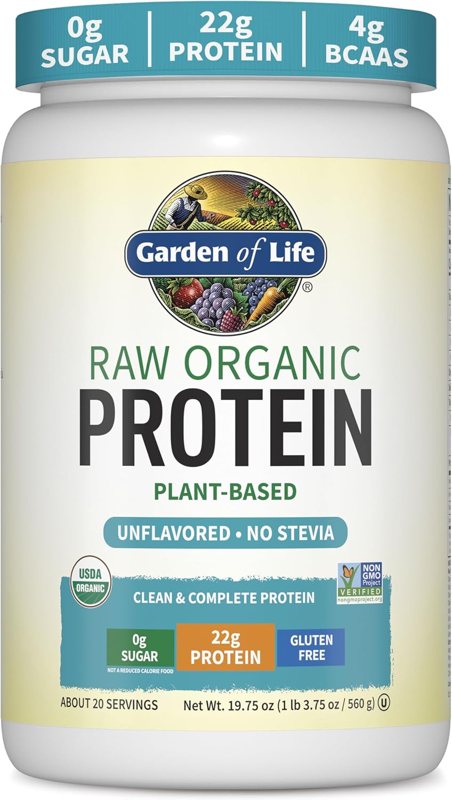
Garden of Life Raw Organic Protein Powder
- Package
- 1 lb 3.75 oz / 560 g
- Serving
- 1 scoop, about 28 g
- Protein source
- Organic plant protein blend from sprouts, seeds, and legumes
- Protein per serving
- 22 g
- Calories
- 120 per serving
May fit if
- A smaller protein add-in would be easier than finishing a large shake.
- You want an unflavored plant-based protein powder to mix into oatmeal, yogurt, or smoothies.
Consider first
- Plant protein powders can still feel textured, especially in thin liquids.
- Protein powder is not a substitute for help when total food, fluid, or calorie intake is very low.
Label facts checked July 28, 2026 · Official product page · Authorized retailer label facts · Amazon destination
Get the Low-Appetite Protein Plan
Small-volume protein ideas for days when full meals feel unrealistic.